Community response arrests the spread of Invasive Species in Kilkenny
The spread of the Invasive species Himalayan Balsam has been the target of a community intervention along the River Nore […]
Read More
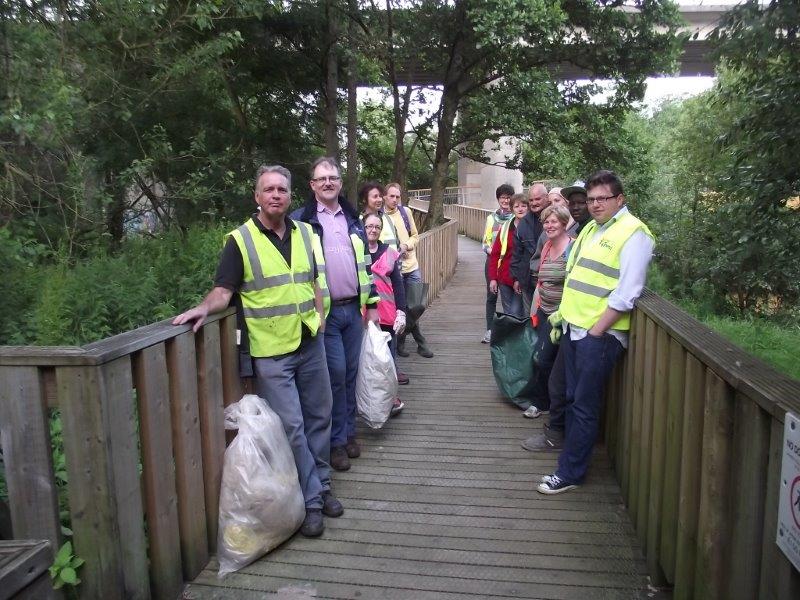
The spread of the Invasive species Himalayan Balsam has been the target of a community intervention along the River Nore […]
Read More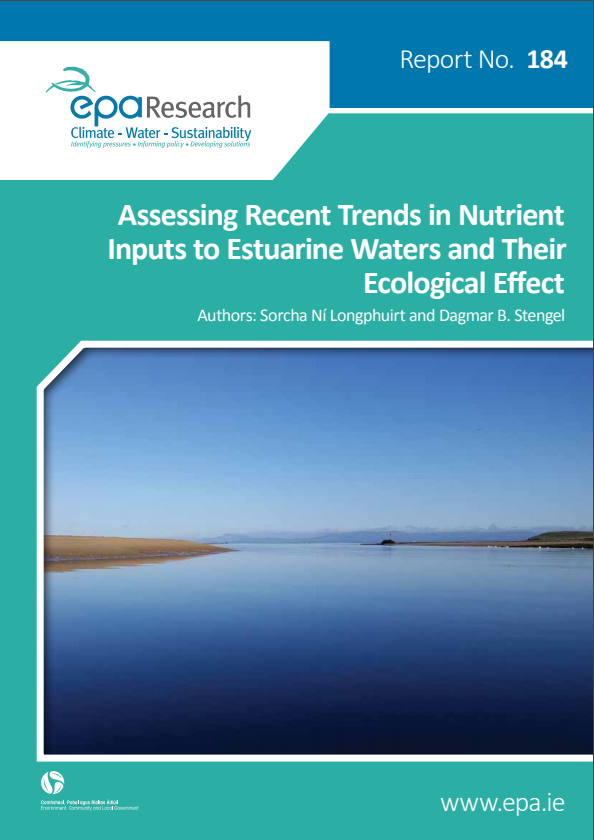
Nutrient over-enrichment in estuaries and coasts due to human activity is a widely recognised global phenomenon. These ecosystems can respond […]
Read More
Recently published findings in the UN Food and Agriculture Organization’s (FAO) ‘State of the World’s Forests’ report, suggest that fostering […]
Read More
Sustainability is generally regarded as meeting our needs today without compromising those of future generations. We are all becoming increasingly […]
Read More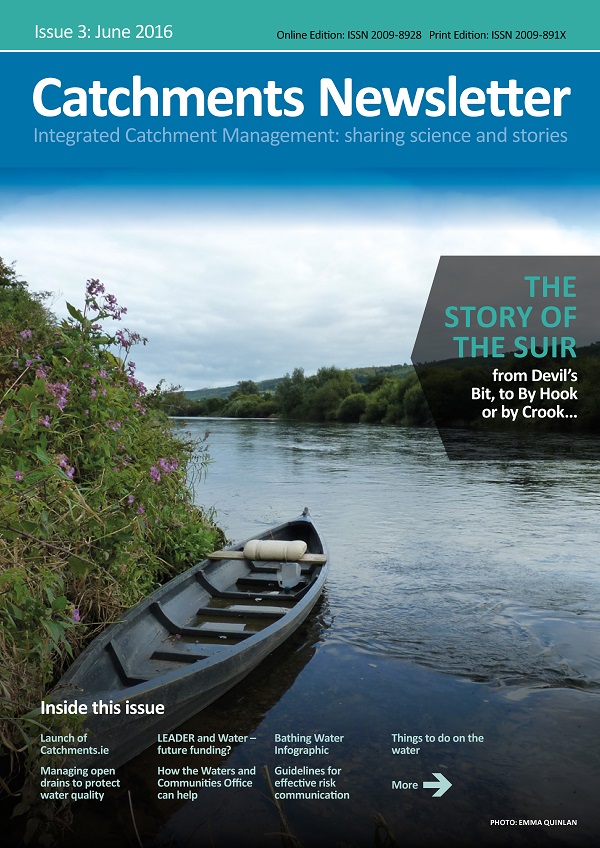
The June 2016 issue of the Catchments Newsletter had several articles telling The Story of the Suir. You can find all […]
Read More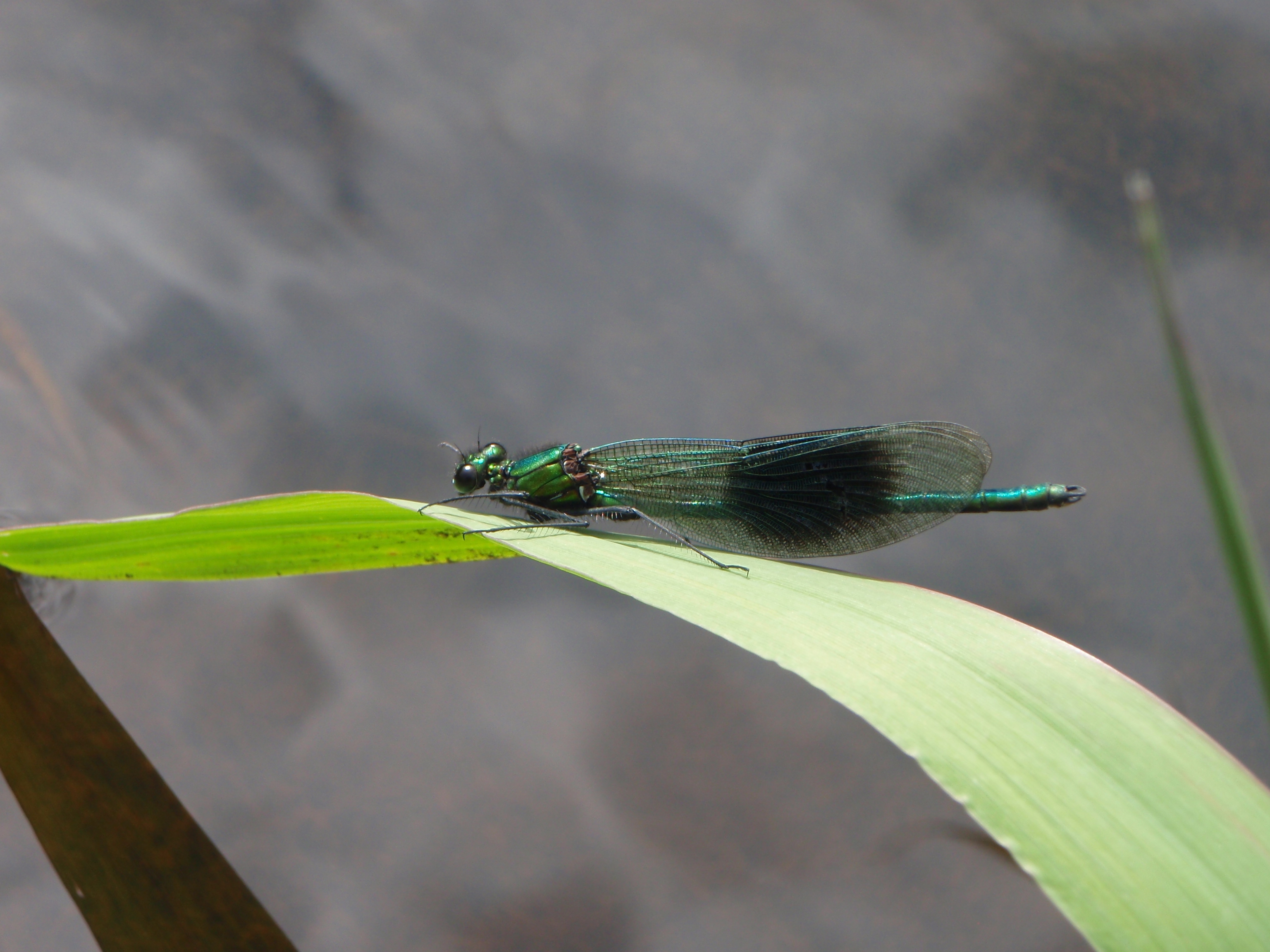
The various uses of rivers can involve conflicting interests and often such uses disrupt the ecology or health of the river. […]
Read More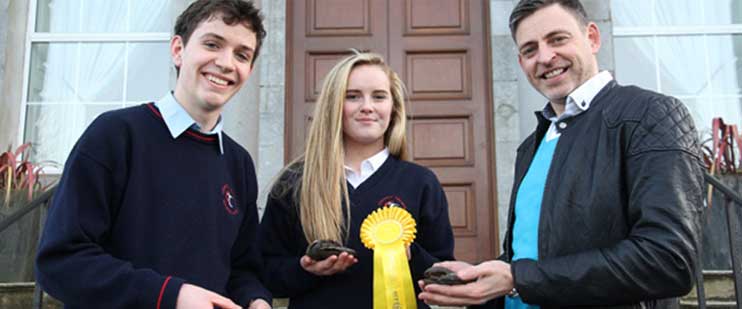
This January, my project partner Riona Sheahan and I entered and displayed a project at the 52nd annual BT Young […]
Read MoreQuite simply, everyone in Ireland has a role to play. This can be from something as simple as making sure you don’t pollute your local stream, or a local community working together to establish a Rivers Trust to enhance the rivers and lakes in their area, to a Government Department or Agency helping a Minister implement a new policy to help protect and enhance all our water bodies.
This website has been developed and is maintained by the Environmental Protection Agency, and is a collaboration between the Department of Housing, Planning and Local Government, the Environmental Protection Agency, and the Local Authority Waters Programme.

The Local Authority Waters Programme coordinates the efforts of local authorities and other public bodies in the implementation of the River Basin Management Plan, and supports local community and stakeholder involvement in managing our natural waters, for everyone’s benefit.
The EPA is responsible for coordinating the monitoring, assessment and reporting on the status of our 4,842 water bodies, looking at trends and changes, determining which waterbodies are at risk and what could be causing this, and drafting environmental objectives for each.

The Department is responsible for making sure that the right policies, regulations and resources are in place to implement the Water Framework Directive, and developing a River Basin Management Plan and Programme of Measures to protect and restore our waters.